How Leaders Can Manage Different Working Styles in a Team
One of the most common leadership challenges is managing different working styles within a team.
Some team members move fast.
Others need time.
Some prefer autonomy.
Others want collaboration.
Without a shared framework, these differences create friction.
With the right lens, they become strengths.
Why Working Style Clashes Happen
Most leaders assume conflict arises from personality.
In reality, it often stems from:
• Processing speed
• Decision-making style
• Energy type
• Communication needs
When leaders expect uniform behaviour, misalignment increases.
A Human Design Perspective on Team Dynamics
Human Design introduces distinctions such as:
• Energy types (Generators, Manifestors, Projectors, Reflectors)
• Definition (how independently someone processes)
• Authority (how decisions are made)
For example:
A single definition leader may process independently and move quickly.
A split definition team member may need dialogue to gain clarity.
Neither is wrong.
They simply operate differently.
Moving from Friction to Function
Effective leaders:
• Clarify who needs autonomy versus collaboration
• Signal clearly when brainstorming versus deciding
• Allow emotional authorities time
• Avoid forcing uniform working rhythms
When working styles are understood, productivity increases and resentment decreases.
Designing Teams, Not Fixing People
Managing different working styles is not about changing individuals.
It is about:
• Understanding natural strengths
• Reducing unnecessary friction
• Aligning roles with energy
This is the foundation of the Energetic Org Chart™ — mapping team dynamics through Human Design to improve clarity and collaboration.
If working style friction is slowing your team down, there is usually a systems explanation — and a practical solution.
About Carly
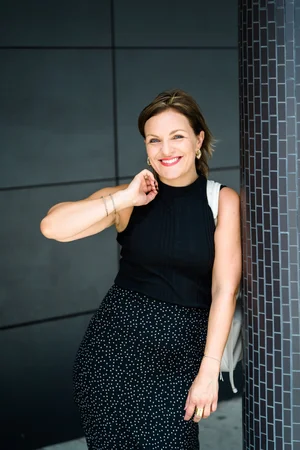
Carly Ferguson works with founders and leadership teams to refine how they lead through the lens of Human Design. With over 15 years’ experience in marketing, operations and organisational change, she brings a systems-aware approach to decision-making, team dynamics and sustainable growth.
Her work focuses on understanding energy, expectation and leadership patterns — not fixing people, but strengthening the systems they operate within.
You can explore Founder & Leadership Dynamics sessions or book a Leadership Deep Dive here.